Marylebone rubbish removal Baker Street guide W1
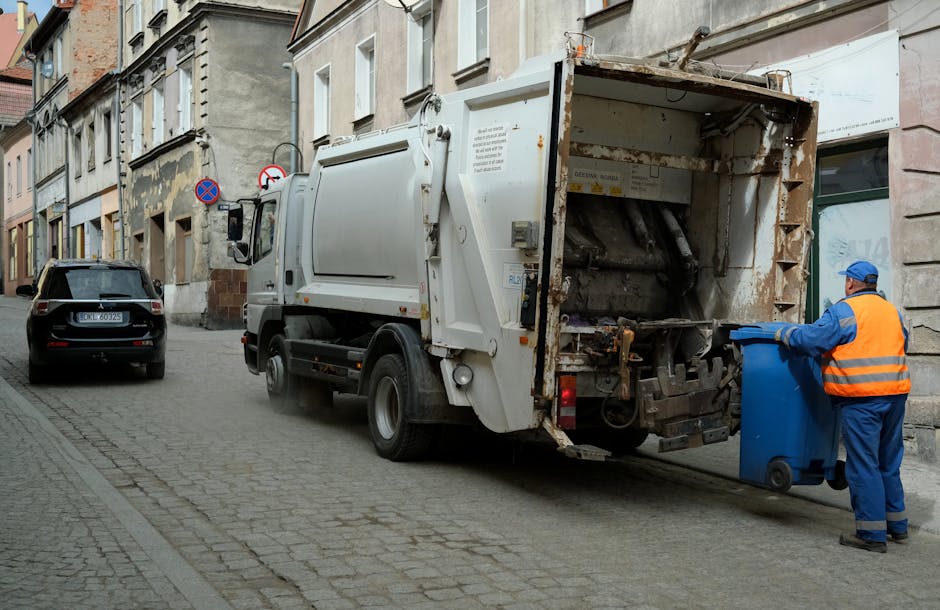
If you are trying to clear rubbish in Marylebone, especially around Baker Street and the wider W1 area, the job can feel oddly bigger than it first looks. One minute it is a broken chair, a few bags, and some packaging; the next, you are dealing with stairs, narrow entrances, parking pressure, and the small headache of getting everything out without disrupting the whole building. This Marylebone rubbish removal Baker Street guide W1 walks you through how it works, what to expect, and how to choose the most sensible route for a flat, house, office, or one-off bulky load. The goal is simple: help you clear space without making a mess of your day.
For local homeowners, tenants, landlords, and businesses, rubbish removal is not just about "getting rid of stuff". It is about timing, access, safety, recycling, and avoiding a rushed decision that costs more than it should. Let's make it straightforward.
Why Marylebone rubbish removal Baker Street guide W1 Matters
Marylebone and Baker Street sit in a part of London where space is valuable, streets can be busy, and buildings are often not designed for easy, casual loading. That matters. A clearance job in W1 can be very different from tipping something into a van on a quiet suburban road. You may be dealing with basement flats, mansion blocks, managed office spaces, shared entrances, or permit-sensitive streets where timing is everything.
There is also the practical reality of everyday life in the area. Residents want minimal disruption. Building managers want common areas kept tidy. Businesses want rubbish gone quickly, not sitting around for three days because a contractor "might be able to come by later". A good rubbish removal plan keeps the process controlled, which is especially important when items are heavy, awkward, or mixed with recyclables and general waste.
In our experience, the biggest difference is not the amount of waste, but the access. A single bulky item from the third floor can be more complex than a whole room of light bagged waste. That is why a local, well-planned service matters so much.
Practical takeaway: In W1, rubbish removal is as much about logistics as it is about lifting. If access, timing, and sorting are handled well, the rest gets much easier.
If you need a broader service that covers mixed clearances, it can also help to look at waste removal alongside options such as flat clearance or house clearance, depending on the type of property and volume involved.
How Marylebone rubbish removal Baker Street guide W1 Works
Most rubbish removal jobs follow the same broad process, but the detail changes based on the property and the waste type. In a local Marylebone setting, a typical job starts with identifying what needs removing, checking access, and deciding whether the waste can be taken in one visit or needs to be split across a few loads.
Typical process
- Describe the waste clearly. List the items, bag count, bulky pieces, and anything unusual such as electricals, paint, or rubble.
- Check access. Is it a lift, stairs, shared entrance, loading bay, rear access, or roadside collection?
- Choose the right service type. General rubbish, furniture, builders waste, office items, or mixed household waste all need slightly different handling.
- Confirm the collection plan. Good planning avoids delays and missed parking windows.
- Remove, sort, and clear. Items are taken out carefully, with reusable and recyclable materials separated where possible.
The actual on-site collection can be quick, but the time saved comes from good preparation beforehand. That is the bit people sometimes underestimate. A tidy pile by the door is one thing; a cellar full of mixed items with no clear route out is another thing entirely. Not impossible, just more work.
For light household clearances, a service like home clearance may be the simplest fit. For business premises, business waste removal or office clearance may be more suitable. If the load includes old cabinets, desks, or sofas, furniture disposal is often the cleaner option.
Key Benefits and Practical Advantages
Good rubbish removal does more than free up space. It reduces clutter stress, helps keep a property safe, and can make a move, renovation, or tenancy change much less chaotic. That might sound obvious, but anyone who has lived around boxes and broken bits for a week knows the difference it makes. The flat breathes again. The hallway looks wider. You stop stepping around that one annoying pile.
- Time savings: A proper team can clear in a fraction of the time it would take to do multiple tip runs.
- Less physical strain: Heavy lifting, awkward angles, and stair carries are handled safely.
- Cleaner finish: Waste is removed in one go rather than left hanging around.
- Better sorting: Reusable and recyclable items can be separated more effectively.
- Fewer access headaches: Planned loading and removal help avoid disruption in busy W1 streets.
There is also the subtle benefit of momentum. Once rubbish is out of the way, other decisions become easier. You can measure the room properly, see what furniture you actually want to keep, or start decorating without the clutter shouting at you from the corner.
If the job is tied to a larger project, you may also benefit from specialist pages like builders waste clearance for renovation debris or garage clearance if the issue is stored overflow that has quietly built up over years. Happens all the time, frankly.
Who This Is For and When It Makes Sense
This kind of service is useful for a lot more people than first-time visitors might think. It is not just for "big clear-outs". In Baker Street and Marylebone, the most common situations are often pretty ordinary:
- tenants leaving behind unwanted furniture or bags of mixed waste
- landlords preparing a property for the next occupier
- families clearing a home after a move or downsizing
- office teams dealing with old desks, chairs, packaging, or archived clutter
- contractors needing debris cleared after light renovation work
- residents who simply need a one-off reset because space has run away from them
It makes sense when the waste is too much for household bins, too bulky for a simple car trip, or too awkward to move safely on your own. It also makes sense when speed matters. If a tenancy handback or inspection is coming up, leaving it to the last minute can turn a tidy job into a panic. And nobody wants that on a Monday morning.
For smaller rooms or smaller properties, flat clearance often fits well. For lofts, storage spaces, or "we'll deal with that later" piles, loft clearance can be the more relevant route.
Step-by-Step Guidance
If you want the smoothest possible rubbish removal in Marylebone or around Baker Street, a little prep goes a long way. Here is the practical version.
1. Sort what is staying and what is going
This sounds basic, but it is where people often lose time. Separate keep, donate, recycle, and remove piles before collection day. If everything is mixed together, the team has to stop and ask questions, and the whole process slows down.
2. Identify bulky or awkward items
Note anything heavy, fragile, oversized, or likely to need dismantling. That includes wardrobes, beds, sofas, large mirrors, broken appliances, or old shelving. A chest of drawers is not the same as a bag of cardboard. Obvious, yes, but worth saying.
3. Check the access route
Look at the practical route from the item to the vehicle. Is there a lift? Are stairs narrow? Will a trolley fit? Can the vehicle stop close enough? In busy W1 streets, access planning is often the difference between a quick job and a frustrating one.
4. Ask about mixed loads
Some jobs contain mixed waste: cardboard, furniture, small electrical items, and general household rubbish all together. Ask how the collection will be handled. A well-organised service should be able to advise whether a full waste removal is enough or whether specialist handling is needed for certain items.
5. Prepare the space
Move pets, open internal doors if needed, and keep a clear path. If there are shared corridors or a concierge desk, let the relevant people know in advance. That small bit of communication saves hassle later.
6. Confirm pricing and payment details first
Always know what is included. That means labour, loading, disposal, and any potential extra charges if access is more difficult than expected. Clear terms help everyone. You can review general expectations around pricing and quotes and check practical details around payment and security before booking.
Expert Tips for Better Results
A few small choices can make a rubbish removal job go much better. These are the things experienced teams tend to watch for straight away.
- Label anything questionable. If an item could be reused, recycled, or needs special handling, make that clear.
- Keep sharp items separate. Broken glass, metal edges, and exposed nails should be flagged early for safety.
- Use the quietest access window possible. In a busy area, early or off-peak timings can reduce delays.
- Don't over-pack bags. Overfilled bags are harder to carry and more likely to split.
- Photograph large clearances. A quick photo helps avoid misunderstandings and gives a more accurate estimate.
One small but useful tip: if you are clearing a room full of stuff, make a first pass for anything personal or valuable before you start bundling. People do accidentally throw out passports, chargers, keys, and even wedding photos. Then the room goes quiet for a second. Bit awkward.
If the goal is to reduce waste rather than just move it, take a look at recycling and sustainability. If you are comparing different service types, furniture clearance can be useful when most of the load is bulky household pieces rather than loose rubbish.
Common Mistakes to Avoid
Most bad experiences with rubbish removal are avoidable. Usually it comes down to rushing, guessing, or assuming all waste is the same. It is not. Not really.
- Leaving sorting until collection day. That makes the job slower and sometimes more expensive.
- Ignoring access issues. Stairs, parking, and building rules can make a simple load awkward fast.
- Mixing prohibited or sensitive items into general waste. Some materials need separate handling.
- Not checking whether furniture needs dismantling. A wardrobe may look manageable until it reaches the doorway.
- Choosing only on price. Cheap sounds nice, but poor service or poor disposal practices can cost more in the long run.
- Forgetting about neighbours or building rules. Noise, shared hallways, and loading times matter in dense residential blocks.
A quieter mistake is leaving a half-finished pile for "later". The pile then becomes a fixture. A month later it is part of the room, which is never a great sign.
Tools, Resources and Recommendations
You do not need a lot of equipment to prepare for rubbish removal, but a few basic tools help. The aim is to make the load safer and the handover easier.
- Heavy-duty bags: better for mixed light waste and packaging.
- Gloves: useful for sharp or dusty items.
- Tape and labels: helpful when sorting items into keep/remove piles.
- Sack truck or trolley: good for heavier boxes where access allows.
- Screwdriver or basic toolkit: useful for dismantling furniture where safe to do so.
- Phone camera: handy for recording the load before collection or sending photos for an estimate.
On the service side, a few site pages can help you match the job type more accurately. For example, house clearance is more suited to full domestic projects, while office clearance fits workplaces with desks, chairs, archive materials, and general workspace clutter. If you are dealing with a small outside area, garden clearance may be the better route.
Law, Compliance, Standards, or Best Practice
For rubbish removal in London, the safest approach is to follow accepted waste-handling best practice even when the job feels simple. That means making sure waste is transferred to a responsible carrier, items are handled safely, and anything that needs specialist treatment is kept separate.
You do not need to become an expert in waste law to book a clearance, but you should expect a reputable provider to take disposal seriously. Good practice includes:
- clear explanation of what can and cannot be collected
- safe manual handling during removal
- careful sorting for recycling where feasible
- appropriate handling of potentially hazardous or restricted items
- transparent booking terms and sensible insurance awareness
If safety and process matter to you, it is worth checking a provider's health and safety policy and insurance and safety information. That is not being fussy. It is just sensible. Especially when heavy furniture, stairs, or tight hallways are involved.
For business premises, extra care is often needed around confidentiality, building access, and orderly removal. A service like business waste removal can be a better fit than a generic one-off job.
Options, Methods, or Comparison Table
There is more than one way to clear rubbish in Marylebone. The right method depends on waste type, time, and access. Here is a simple comparison to help you think it through.
| Method | Best for | Pros | Limitations |
|---|---|---|---|
| DIY tip run | Very small loads, flexible schedule | Can be cheap if you already have transport | Time-consuming, parking and lifting stress, multiple trips |
| Man-and-van style clearance | Mixed household waste, bulky items, quick clearouts | Fast, practical, less lifting for you | Needs accurate description of the load and access |
| Specialist clearance | Furniture-heavy, office, builders, or large property jobs | More structured, better for larger or more complex waste | May be more than you need for a small load |
For most Baker Street and Marylebone residents, the middle option tends to be the sweet spot. It is efficient without being overcomplicated. If you are clearing a lot of old household furniture, you may also find furniture clearance a better match than a general rubbish job. The best method is the one that fits the actual mess, not the one that sounds simplest on paper.
Case Study or Real-World Example
Picture a second-floor flat near Baker Street, with a narrow stairwell, two heavy armchairs, several bin bags, and an old bookcase that has been holding itself together with sheer determination. The residents are moving out in two days. There is no lift, the hallway is shared, and the building does not have much spare space outside.
The sensible approach is not to guess. First, the items are grouped by type. Then the bulky pieces are checked for dismantling. The route from flat to street is cleared. A collection window is chosen to avoid peak congestion where possible. On the day, the load is removed in a sequence that keeps the staircase clear and avoids blocking the entrance. Simple enough, but only because the planning was done properly.
What changed the job from stressful to manageable? Three things: clear information, realistic expectations, and no last-minute scramble. That is often the difference in W1. Not magic. Just good order.
For properties with more rooms or heavier contents, related services like flat clearance and loft clearance can help when the job goes beyond ordinary bagged waste.
Practical Checklist
Use this quick checklist before booking rubbish removal in Marylebone or Baker Street:
- Have I listed everything that needs removing?
- Do I know which items are bulky, fragile, or heavy?
- Have I checked access, stairs, and parking conditions?
- Are there any items that need separate handling?
- Have I cleared a route to the door?
- Have I told the building manager or concierge if needed?
- Do I understand what is included in the price?
- Have I separated anything I want to keep first?
- Would a specialist service be better than a general one?
- Do I want any extra help with recycling or reuse?
If you can tick most of those off, the collection is much more likely to run smoothly. And that is what you want, really.
Conclusion
Marylebone rubbish removal around Baker Street in W1 works best when it is planned with local conditions in mind: access, timing, safety, and the kind of waste you actually have. Once those pieces are clear, the whole thing becomes far less stressful. Whether you are clearing a flat, an office, a home, or a mixed pile of old furniture and general junk, the right approach is the one that keeps things simple, safe, and properly handled.
Think of it less as "getting rid of rubbish" and more as resetting the space properly. That shift in mindset helps. A clean room, an empty hallway, a clear office corner - these things matter more than they first seem. They make the next decision easier, and sometimes that is the real win.
Get a free quote today and see how much you can save.
If you want to learn more about the company behind the service, you can also read about us or review the full recycling and sustainability approach before you book.
Frequently Asked Questions
What does Marylebone rubbish removal Baker Street guide W1 usually include?
It usually covers collection, loading, transport, and responsible disposal of general household or commercial waste. Depending on the job, it may also include furniture removal, sorting, and light dismantling.
Is rubbish removal in Baker Street suitable for flats with no lift?
Yes, but access needs to be checked first. Stairs, narrow landings, and shared entrances can affect the time and cost, so it is best to describe the access clearly before booking.
How do I know whether I need rubbish removal or house clearance?
If you are clearing a few items or a mixed waste load, rubbish removal may be enough. If you are dealing with the contents of a whole property, house clearance is usually the better fit.
Can furniture be taken away with general rubbish?
Sometimes yes, but it depends on the size, condition, and type of furniture. Large items are often easier to deal with through furniture disposal or furniture clearance.
What should I do before a rubbish collection arrives?
Sort the items, keep walkways clear, move personal belongings out of the way, and make sure any access instructions are ready. A little prep saves a lot of time.
Are there items that need special handling?
Yes. Some waste types, such as certain electrical items, paints, or potentially hazardous materials, may need separate handling. Always mention these in advance rather than mixing them into a general pile.
Is office rubbish removal different from domestic rubbish removal?
Usually, yes. Offices often involve desks, chairs, archiving waste, packaging, and building access rules. Office clearance is often more suitable for that type of work.
How can I keep costs under control?
Be accurate about the volume, sort items beforehand, and explain access clearly. If the team knows what they are dealing with, the estimate is usually more realistic and the job runs smoother.
Does rubbish removal in W1 help with recycling?
It can, especially if the service sorts recyclable materials separately where possible. If sustainability matters to you, ask how items are handled and review the provider's recycling and sustainability approach.
What if I only have one bulky item?
That is still worth arranging if the item is too large or heavy to move yourself. A single sofa, wardrobe, or appliance can be more awkward than a stack of smaller bags, oddly enough.
Should I choose the cheapest rubbish removal quote?
Not automatically. Price matters, of course, but you should also look at what is included, how clearly the job is described, and whether the provider appears careful about safety and disposal.
How do I book the right service for a mixed clearance?
Start by deciding whether the load is mostly general rubbish, furniture, office waste, or building debris. Then match the service to the job. If you are unsure, contact the team for guidance and a more accurate quote.