Recycling and Sustainability — Marylebone House Clearance
At Marylebone House Clearance our approach to an eco-friendly waste disposal area and a sustainable rubbish area is practical, measurable and community-focused. We prioritise reuse and recycling across all clearances in Marylebone and neighbouring boroughs, aligning with local waste separation schemes. Our team treats each job as an opportunity to divert materials from landfill, refurbish durable items and responsibly process specialist waste streams.
We combine traditional clearance skills with modern environmental best practice. Our commitment is to reduce carbon output while maximising material recovery, and we actively adapt to the boroughs' approach to waste separation, which commonly requires the segregation of food waste, paper and card, glass, metals and mixed recycling.
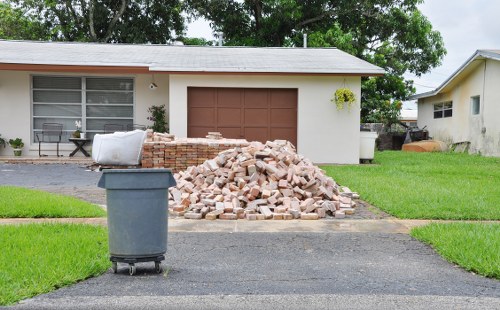
Our measurable goal is clear: we have set a recycling percentage target of 90% reuse and recycling for household clearance projects, with an aspirational aim to keep residuals below 5% destined for landfill. This target covers furniture reclamation, textiles for reuse, electrical items sent to certified WEEE processors, and construction rubble taken to appropriate recovery facilities. We track pounds diverted, items reused or donated, and emissions saved by our route planning and fleet choices.
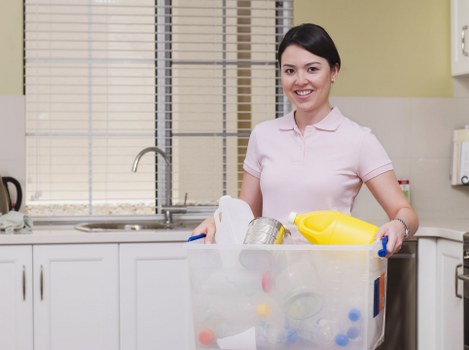 We work closely with local transfer stations and consolidation hubs to ensure materials are processed correctly. Items that cannot be reused are taken to authorised local transfer stations and Materials Recovery Facilities (MRFs) serving Westminster and surrounding boroughs. By using nearby consolidation points we reduce vehicle miles and double-handling, which helps maintain an efficient, low-carbon clearance operation while respecting the municipal separation standards adopted by the City of Westminster and neighbouring councils.
Our operations include documented transfer notes and manifesting so that every load has a clear chain of custody. This gives visibility into where materials go — whether to a charity partner, reprocessing plant, or specialist recycler for hazardous materials like paints, batteries and solvents.
To support reuse we maintain active partnerships with charities and social enterprises. We regularly collaborate with organisations that accept furniture, appliances and textiles for redistribution: local community groups, national charities focused on reuse, and networks that connect donated items with households in need. When items are unsuitable for direct donation, we work with refurbishers that repair and resell with transparency about environmental benefits.
Our logistics are engineered to be part of the sustainable rubbish area solution. We operate a modern fleet with a growing number of low-carbon vans and hybrid vehicles and schedule routes to minimise idle time. Our drivers are trained in eco-driving techniques and we use load consolidation to reduce journeys. When appropriate, we deploy cargo bicycles and hand-delivery options for inner-London pick-ups to lower emissions even further.
 Equipment and vehicle choices matter: low-emission vans cut particulate and CO2 output compared with older diesel vehicles. We report on fleet performance and continually move towards zero-emission vehicles as charging and operational infrastructure in London becomes more accessible.
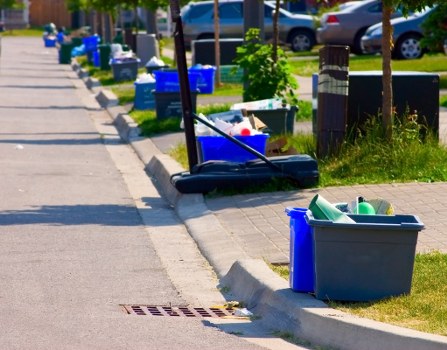
How we handle specific recycling activities in Marylebone reflects local practices. Residents and clearance clients are encouraged to separate food waste into caddies for borough collection, place glass and cans in the prescribed containers, and set aside textiles for donation or specialist recycling banks. Our crew respects these divisions on-site: we sort materials following local authority guidance and prepare loads for the correct municipal or commercial stream.
Processes for a sustainable rubbish area
- Salvage first: items suitable for reuse are isolated and prepared for donation or resale.
- Specialist recycling: electricals (WEEE), mattresses, upholstery and hazardous liquids are routed to certified processors.
- Local transfer and MRF routing: residual recyclables are taken to vetted transfer stations that serve Marylebone and Westminster.
- Fleet optimisation: low-carbon vans and consolidated runs reduce emissions per job.
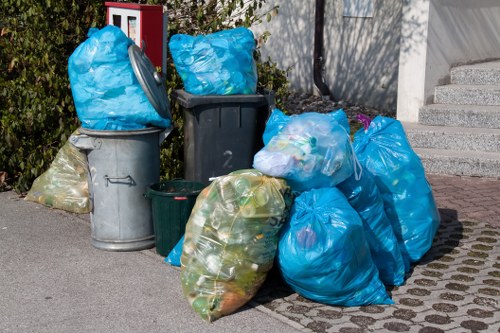
We also emphasise material recovery within our temporary sorting areas, creating a small on-site sustainable rubbish area where items can be inspected, documented and diverted appropriately before transport.
Community, transparency and continuous improvement
Transparency underpins our sustainability promise. For each clearance we produce a summary of outcomes that includes the percentage recycled, donated or sent for recovery. We work with local authorities and recycling partners to ensure audits are straightforward and verifiable. Our targets and reporting encourage continuous improvement, and we welcome collaborative opportunities with charities, reuse networks and borough initiatives that strengthen the circular economy in Marylebone.
In short, Marylebone House Clearance delivers an eco-friendly waste disposal area approach and a practical sustainable rubbish area model by combining high recycling percentage targets, partnerships with charities, use of local transfer stations, and a commitment to low-carbon vans. We aim to lead by example — reducing waste, supporting reuse, and lowering emissions — while adapting to borough-level recycling practices and helping clients make the most sustainable choices during every clearance.