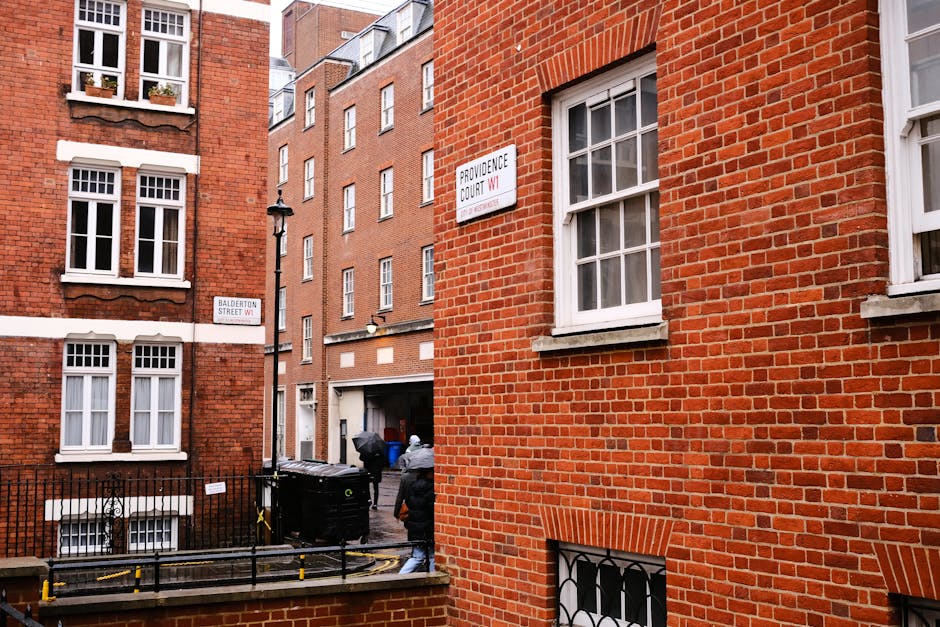
Marylebone bulky rubbish collection near Marylebone Station: a practical local guide
If you are trying to arrange Marylebone bulky rubbish collection near Marylebone Station, you are probably dealing with the kind of job that looks simple from the outside and turns into a faff the moment you start moving things. A broken sofa, an old mattress, a heavy wardrobe, a stack of boxes from a flat move, or office items that no longer belong in the way. In Marylebone, space is tight, access can be awkward, and timing matters. That is exactly why a clear plan helps.
This guide explains how bulky rubbish collection works in the Marylebone Station area, what can be removed, what to watch out for, and how to choose a sensible service for homes, flats, offices, and landlords. It is written to help you decide quickly, without the guesswork.
For readers who want broader support, you may also find it useful to explore general waste removal options or related clearance services such as furniture disposal and flat clearance.
Table of Contents
- Why Marylebone bulky rubbish collection near Marylebone Station Matters
- How Marylebone bulky rubbish collection near Marylebone Station Works
- Key Benefits and Practical Advantages
- Who This Is For and When It Makes Sense
- Step-by-Step Guidance
- Expert Tips for Better Results
- Common Mistakes to Avoid
- Tools, Resources and Recommendations
- Law, Compliance, Standards, or Best Practice
- Options, Methods, or Comparison Table
- Case Study or Real-World Example
- Practical Checklist
- Conclusion
- Frequently Asked Questions
Why Marylebone bulky rubbish collection near Marylebone Station Matters
Bulky rubbish is not the same as putting a bag out for regular collection. It is heavier, more awkward, more visible, and usually more disruptive if you leave it sitting around. Near Marylebone Station, that disruption can be felt fast. Narrow streets, basement flats, shared entrances, timed loading, and busy footfall all make bulky waste a little more involved than people expect.
Truth be told, the problem is rarely the item itself. It is the handling. A sofa is not just a sofa if you need to get it down two flights of stairs, turn it through a narrow hallway, and avoid marking the walls on the way out. A desk is not just a desk if it has to be carried past neighbours, parked vehicles, and a tight stairwell. That is why local bulky rubbish collection is less about dumping things and more about managing removal safely, cleanly, and without drama.
It also matters because clutter grows quickly. One unused bed frame becomes a stack of spare items. One pile of renovation leftovers becomes a corridor blockage. One office clearance turns into an operational headache. In homes, it affects daily comfort. In businesses, it affects presentation and workflow. In both cases, people usually feel much better once the space is clear. You can almost hear the room breathe again.
For homeowners and landlords, bulky rubbish often appears after a move, tenancy change, bereavement, renovation, or a long-overdue sort-out. For businesses, it may follow an office refit, equipment replacement, or end-of-lease clean-down. And if you are near Marylebone Station, you may also be dealing with delivery windows, visitor traffic, and the simple fact that nobody wants a hallway full of old furniture for longer than necessary.
How Marylebone bulky rubbish collection near Marylebone Station Works
The process is usually more straightforward than people fear, but there are a few moving parts. A good collection service will normally start by understanding what needs to go, how much of it there is, and whether there are access issues. That means checking whether items are at street level, in a basement, up several flights of stairs, or inside a commercial unit.
After that, the service may confirm timing, vehicle access, and any items that need special handling. This is where practical detail matters. A single chest of drawers is one thing. A heavy corner sofa with no lift access is another. The clearer you are at the start, the smoother the day tends to go. And yes, that really does save time.
In many cases, bulky rubbish collection includes loading, transport, sorting, and disposal or recycling where suitable. Some services also separate reusable furniture from general waste. That can be useful if you are clearing out a flat after a tenant leaves or dealing with office furniture that still has life in it. If you need a more focused solution, services like furniture clearance or house clearance can be a better fit than a generic waste pickup.
Near Marylebone Station, timing can be especially important. A collection booked for early morning may be easier if you want to avoid the busiest periods. In some buildings, access is also simpler before the day gets going. Small detail, big difference.
Typical bulky items collected
- Sofas, armchairs, and sofa beds
- Mattresses and bed frames
- Wardrobes, cabinets, and shelving
- Dining tables and chairs
- Office desks, filing cabinets, and meeting-room furniture
- Large appliances and white goods, where accepted
- General oversize household items
- Renovation leftovers such as wood offcuts or damaged fixtures, depending on the service
Some items may need separate handling because of weight, contamination, or disposal rules. If you are unsure, ask before collection day. Better a quick question now than a last-minute surprise at the doorway.
Key Benefits and Practical Advantages
The biggest benefit is simple: space comes back. But there are several more practical advantages worth noting, especially in a busy part of central London.
- Less lifting and strain. Heavy items are awkward and easy to injure yourself on, especially on stairs.
- Faster turnaround. What could take you half a day often takes a much shorter slot with a planned collection.
- Cleaner exit. Professional removal helps reduce damage, mess, and awkward back-and-forth through shared areas.
- Better for landlords and agents. A clear property is easier to photograph, re-let, and inspect.
- More suitable for offices. Furniture and equipment can be removed with less disruption to staff.
- Potential recycling value. Some items may be reused, refurbished, or broken down for materials where appropriate.
There is also the emotional side. A cluttered room can feel oddly draining, especially if it has been sitting that way for weeks. Once removed, the whole place tends to feel lighter. Less stressful. More usable. That sounds obvious, but anyone who has moved a mattress by themselves down a tight staircase knows it is not just about tidiness.
If sustainability matters to you, you may want to review the company's approach to recycling and sustainability. It is often a good sign when a provider thinks carefully about sorting, reuse, and responsible disposal rather than sending everything down the same path.
Who This Is For and When It Makes Sense
Bulky rubbish collection near Marylebone Station is useful for a wide range of people, but the reasons vary quite a bit.
Homeowners and tenants
If you have a broken bed, an old sofa, or items left behind after a move, bulky collection is often the quickest way to reset the space. It is especially helpful in flats where stair access is tight and storage is limited. Let's face it, a spare armchair can become a permanent resident if nobody wants to wrestle it downstairs.
Landlords and letting agents
End-of-tenancy clearances often reveal a mix of furniture, rubbish, and forgotten belongings. A fast removal can help prepare a property for cleaning, repairs, and relisting. For compact rentals, flat clearance is often more appropriate than a one-off curbside solution.
Businesses and offices
Offices around Marylebone may need desk removals, chair disposals, archived items, or general decluttering after refurbishments. If your clear-out includes workstations, filing systems, or mixed office waste, office clearance and business waste removal are worth considering.
Builders, renovators, and trades
If bulky waste is mixed with renovation debris, you may need a service that can handle heavier material alongside general items. A dedicated builders waste clearance option can make more sense than a standard household pickup.
People handling sensitive situations
After bereavement, long-term hoarding, or a stressful move, people often want a service that is efficient but also respectful. In those cases, a home-led or house-led clearance approach tends to feel more manageable. No one wants the process made harder than it already is.
Step-by-Step Guidance
Here is a practical way to handle bulky rubbish collection without overcomplicating it.
- Make a room-by-room list. Write down the largest items first. Include anything awkward, fragile, or unusually heavy.
- Separate what stays, what goes, and what might be donated or reused. This saves time later and avoids accidental disposal of something you still need.
- Check access carefully. Measure doorways, note stairs, and mention any lift restrictions. In Marylebone, access details are often the difference between a smooth job and a frustrating one.
- Photograph larger items. A quick photo helps the provider understand size, condition, and loading needs.
- Confirm timing and parking or loading constraints. If collection has to happen during a specific window, say so early.
- Remove personal items from furniture and drawers. It sounds obvious, but people forget. Quite a lot, actually.
- Keep the route clear. Hallways, stairwells, and entry points should be easy to move through on the day.
- Ask what happens to recyclable or reusable items. It is worth knowing whether they are sorted separately.
- Check the final paperwork or service note. For business and landlord use, records can be useful later.
If your items are mainly household clutter rather than just one or two large pieces, a broader home clearance may be the cleaner solution. For accumulated items in storage areas, garage clearance or loft clearance may be more appropriate.
Expert Tips for Better Results
After a lot of real-world clear-outs, a few patterns show up again and again. These are the details that make the whole thing run better.
Be specific about access, not just the items
People often describe the objects, but forget the route out. A three-seater sofa is not a problem on its own. A three-seater sofa plus a tight hallway, a curve on the stairs, and a street with limited stopping space? That is a different job. Mention it early.
Group similar items together
If you can keep mattresses together, furniture together, and loose rubbish together, the collection is usually easier to sort and load. It sounds like a small thing. It is not.
Do a quick final sweep before the crew arrives
There is nearly always one forgotten charger, a folder of papers, or a lamp hiding behind a chair. A 10-minute sweep is worth it. Especially if you are on a deadline.
Think about sequencing
If a property is being decorated or cleaned, bulky waste should usually be removed before the deep clean or final paint touch-ups. Otherwise, you end up doing the same work twice. Nobody enjoys that.
Use the right type of service for the job
Not every collection is just "some rubbish." Furniture, mixed household contents, garden waste, and office items may all need slightly different handling. If the pile includes old garden furniture, for example, garden clearance may be more fitting. If it is mainly one item, furniture disposal could be enough.
And a small but useful tip: if you are comparing providers, ask how they handle items that cannot be reused. The answer tells you a lot about their approach, even if they do not say it in fancy language.
Common Mistakes to Avoid
Most bulky rubbish headaches are preventable. The classic errors are usually practical, not technical.
- Underestimating the amount of waste. One pile in the corner can turn into three once you start sorting.
- Not checking access. This is the big one near central London properties.
- Mixing wanted and unwanted items. It happens more often than people admit.
- Leaving the job until the last minute. This adds pressure and reduces flexibility.
- Ignoring building rules. Shared properties may have specific move-out times or access expectations.
- Choosing a service based on speed alone. Fast matters, yes, but so does care and responsible handling.
- Forgetting business records. Commercial clients often need documentation for internal processes, even when the job itself is straightforward.
Another mistake is assuming everything can go in one pass without asking questions. Usually it can't. Sometimes there are special items, or separate handling is needed. Better to clarify than to improvise at the kerb.
Tools, Resources and Recommendations
You do not need a huge toolkit to prepare for bulky rubbish collection, but a few simple things help a lot.
- Tape measure. Handy for checking furniture size, doorways, and staircase turns.
- Marker pen or labels. Useful if you are sorting items into keep, donate, and remove.
- Phone camera. Take a few photos before the clearance. Helpful for quotes and for your own records.
- Protective gloves. If you are moving smaller items yourself, gloves reduce scrapes and grimy surprises.
- Basic clear bags or boxes. Good for loose items, cushions, cables, and small parts.
- Building access notes. Keep codes, entry instructions, and concierge details ready if needed.
For customers who want a more structured service experience, useful pages on the site include pricing and quotes, insurance and safety, and health and safety policy. Those pages are worth reviewing if you want to understand how a provider presents its standards and customer care.
If you want to know more about the business itself, you can also read about the company. It is often a good sign when a provider explains who they are and how they work without hiding the basics.
Law, Compliance, Standards, or Best Practice
Bulky rubbish collection in the UK sits within a framework of ordinary best practice, duty of care, and safe handling. You do not need to become a compliance expert to book a collection, but it helps to know the broad expectations.
For householders, the main issue is making sure waste is handed to a legitimate carrier and not left in a way that creates nuisance, obstruction, or fly-tipping risk. For landlords and businesses, the bar is higher. You are expected to keep things organised, avoid contamination where possible, and use a provider that handles waste properly.
A sensible service should be able to explain how items are collected, separated, transported, and disposed of or recycled. It should also be clear about safety, access, and payment terms. If a quote sounds vague, that is worth questioning. Vague quotes usually become vague problems.
Good practice also means respecting the building and the neighbourhood. In a place like Marylebone, that means careful lifting, tidy loading, minimal disruption to neighbours, and attention to access constraints. It sounds polite because it is polite. But it is also good operational sense.
If you are arranging clearance for a business, make sure any internal sign-off or record-keeping is completed too. That may sound a bit admin-heavy, but it saves awkwardness later. A simple note of what was removed and when can be enough.
Options, Methods, or Comparison Table
There are several ways to deal with bulky waste. The best one depends on volume, access, urgency, and whether items are reusable.
| Method | Best for | Pros | Limitations |
|---|---|---|---|
| One-off bulky collection | A few large items | Quick, simple, good for targeted removals | Less suitable for mixed or high-volume clear-outs |
| Furniture-specific disposal | Sofas, beds, tables, wardrobes | Focused, practical, efficient | May not suit mixed household waste |
| Flat or home clearance | Several rooms or a full property | More comprehensive, less back-and-forth | Usually more involved to plan |
| Office clearance | Desks, chairs, filing, equipment | Good for businesses and relocations | Needs better scheduling and access planning |
| Builders waste clearance | Renovation debris and heavy leftovers | Useful for refurbishment projects | Not always ideal for furniture-heavy loads |
If your job is mostly one sofa and a few chairs, a simple furniture-focused removal may be all you need. If it is a whole flat, be honest about that from the start. Clearer brief, better result. Always.
Case Study or Real-World Example
A fairly typical Marylebone scenario goes like this. A tenant moves out of a second-floor flat near the station and leaves behind a bed frame, a mattress, a coffee table, and a damaged bookcase. The hallway is narrow, the stairwell has a tight corner, and the building shares access with other residents.
The first instinct is often to break the task into pieces and try to do some of it manually. That works until the mattress catches on the stair bend. Then the whole thing becomes slower and messier than expected. Instead, a planned bulky rubbish collection helps because the access route is considered first, the items are assessed together, and the removal is completed in one focused visit.
What made the difference in this kind of job was not only the lifting. It was the preparation: clear access, items grouped by type, and a simple note about the building entrance. No drama, no last-minute scrambling, no angry stare at a sofa that refused to turn the corner. A small win, but an important one.
Another common example is an office near Baker Street or Marylebone Station replacing desks and chairs during a refurb. Staff still need to work while the removal takes place, so timing matters. Early collection, clear labelling, and a quick handover make the process feel almost routine. Almost.
Practical Checklist
Use this checklist before your collection day. It keeps things tidy and avoids the usual rush.
- List every bulky item that needs to go
- Separate items you still want to keep
- Measure awkward furniture and note access issues
- Take photos if the items are large or unusual
- Confirm stairs, lifts, and loading access
- Remove personal belongings from drawers and shelves
- Clear a route through hallways and doorways
- Check whether any items need special handling
- Ask about recycling or reuse where relevant
- Keep any paperwork or service notes for your records
For many people, using a dedicated service is easier than trying to juggle disposal, transport, and access on their own. If your needs are broader than one or two large items, consider whether house clearance or home clearance might fit better than a narrow one-off removal.
Get a free quote today and see how much you can save.
Conclusion
Marylebone bulky rubbish collection near Marylebone Station is really about making a difficult job feel manageable. In a part of London where access, timing, and space all matter, the right approach saves effort and avoids the kind of last-minute stress that nobody needs. Whether you are clearing a flat, refreshing an office, or removing a few heavy items after a move, good preparation makes all the difference.
The best results usually come from being clear, honest, and practical: know what is going, note the access, choose the right service, and ask questions before the collection day. That is the whole thing, really. Simple in principle, easier with help.
If you take one thing away, let it be this: bulky rubbish is easier to deal with before it becomes a bigger job. A little planning now can save a lot of lifting later, and that is never a bad trade.
Frequently Asked Questions
What counts as bulky rubbish near Marylebone Station?
Bulky rubbish usually means large household or office items that are too awkward for normal bins or routine collection. Common examples include sofas, beds, wardrobes, desks, and large chairs.
Can bulky waste be collected from flats with stairs only?
Yes, but access details matter. Stairs, narrow landings, and tight corners should be mentioned in advance so the collection can be planned properly.
Is furniture removal different from general bulky rubbish collection?
Sometimes it is. Furniture removal focuses on items like sofas, beds, and cabinets, while bulky rubbish collection may cover a broader mix of large objects.
How do I know whether I need a flat clearance or just a bulky collection?
If you only have a few large items, a bulky collection may be enough. If several rooms need clearing, or the property contains mixed contents, a flat clearance is often more suitable.
Can office items be included in bulky rubbish collection?
They can be, depending on the provider and the items involved. Desks, chairs, filing cabinets, and some equipment are common office-clearance items.
What should I do before the collection team arrives?
Remove personal belongings, clear a path, and make sure you have identified everything that needs to go. A quick final check usually saves hassle.
Are bulky items always recycled?
Not always. Some items can be reused or recycled, while others must be disposed of as waste. It depends on the condition and material of the item.
How long does a bulky rubbish collection usually take?
It varies with the amount of waste, access, and how easy the items are to move. A single item may be quick, while a full property clear-out takes longer.
What if the item is too heavy or awkward to move safely?
That is exactly the kind of situation where a professional removal service helps. Heavy furniture, large wardrobes, and items on stairs should not be forced or dragged unsafely.
Can I combine bulky rubbish with other clearance services?
Yes, often you can. Depending on what you need, related services such as garage clearance, loft clearance, or garden clearance may be combined into one larger job.
How do I make sure I'm choosing a trustworthy provider?
Look for clear communication, sensible pricing, attention to safety, and a straightforward explanation of how waste is handled. Pages like terms and conditions and insurance and safety can also help you understand the provider's standards.
Where can I ask for help or book next?
If you are ready to get moving, use the site's contact options and service information to plan the collection properly. A small amount of detail up front usually makes the whole process smoother, and a lot less stressful.